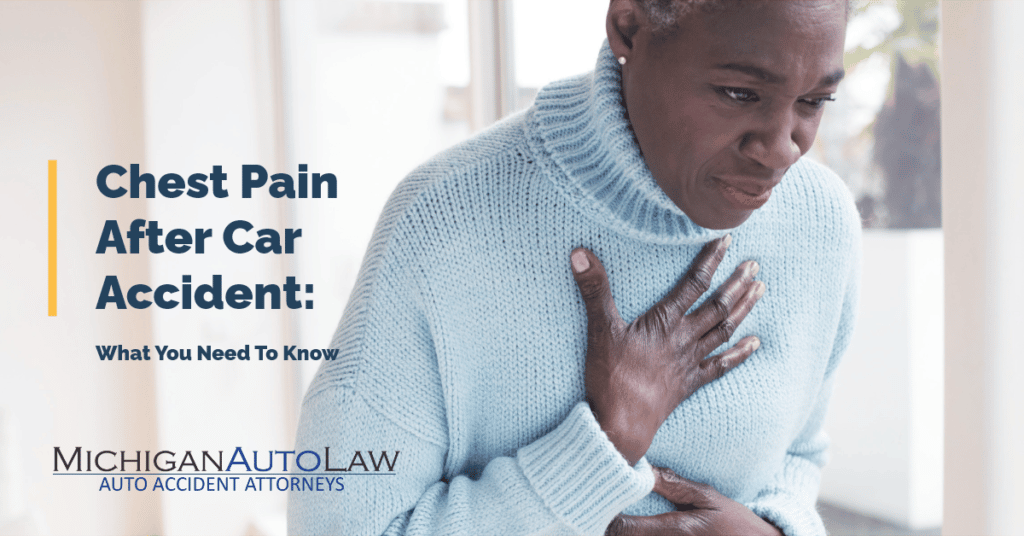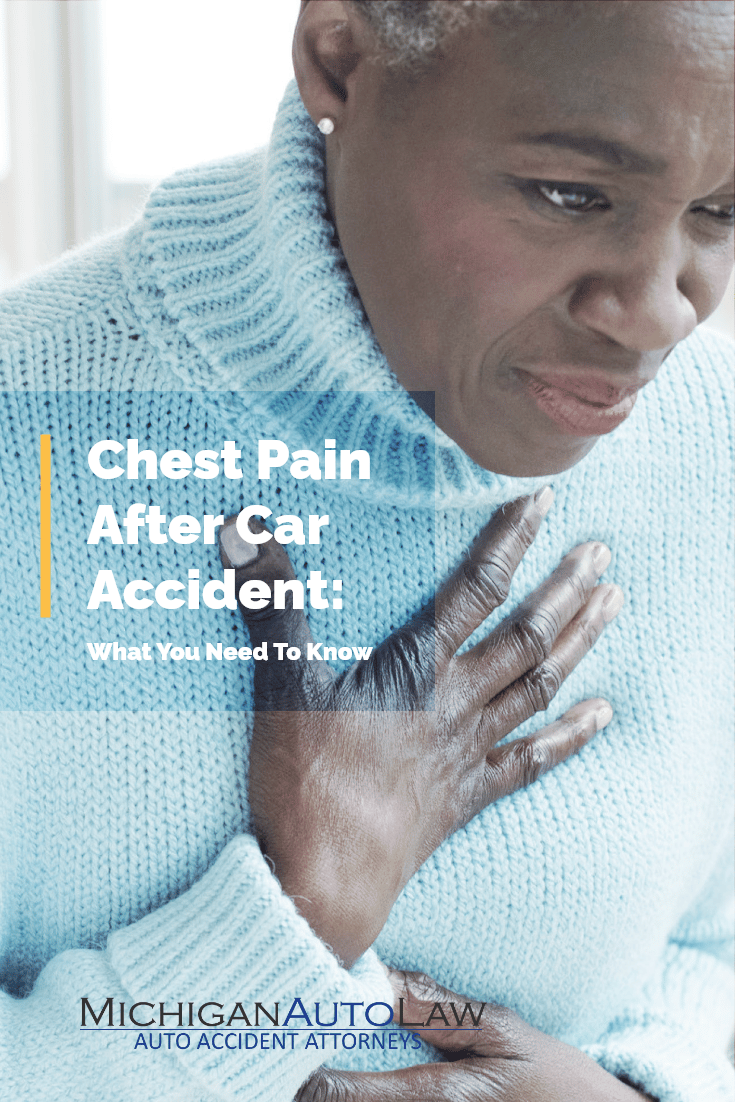
Chest pain after a car accident should always be taken seriously and evaluated by a medical professional right away. In some cases, it may signal serious injuries such as fractured ribs, lung damage, or trauma to the heart. The soreness can result from impact with a seat belt, airbag, or steering wheel during the crash. If the soreness is severe, worsening, or accompanied by dizziness, shortness of breath, or difficulty breathing, seek emergency medical attention immediately.
What Are Potential Causes Of Chest Pain After A Car Accident?
Potential causes of chest pain after a car accident include rib fractures or sternum injuries, which often occur from the force of a seat belt or impact with the steering wheel. In some cases, the crash can cause a myocardial contusion, a bruise to the heart muscle, or lung injuries such as bruised or punctured lungs that make breathing difficult. Internal bleeding involving nearby organs is another potentially life-threatening cause. Less severe but still sore conditions may include soft tissue injuries such as strained or torn thoracic muscles. It is also important to recognize that adrenaline released during a collision can temporarily mask symptoms, meaning discomfort may not appear until hours or even days later. Below, we explain each of these potential causes in more detail.
Rib fractures/sternum injuries
Rib fractures and sternum injuries are among the most common causes of chest pain after a car accident, as this part of the body often absorbs significant force during a collision.. When a vehicle stops suddenly, the body continues moving forward until restrained by the seat belt or stopped by contact with the steering wheel or airbag. This blunt force can crack or fracture the ribs or bruise or fracture the sternum (breastbone). These injuries frequently cause sharp discomfort that worsens with deep breathing, coughing, or movement, and the chest may feel tender to the touch.
In addition to fractures, the surrounding cartilage and connective tissue in the upper torso region can also become inflamed or damaged during the impact. Even when a rib or the sternum is not fully broken, bruising to the bone and surrounding tissue can still produce significant soreness and limited mobility. Because rib and sternum injuries can make breathing uncomfortable and sometimes occur alongside lung injuries or internal bleeding, medical evaluation after a crash is important to confirm the diagnosis and ensure that more serious complications are not present.
Heart injury (myocardial contusion)
A heart injury, known medically as a myocardial contusion, can also be a potential cause of chest pain after a car accident. This type of injury occurs when blunt force trauma to the upper torso area bruises the heart muscle. The impact may happen when the upper torso strikes the steering wheel, is compressed by a seat belt, or absorbs force from an airbag during a collision. Because the heart sits behind the breastbone, it can be vulnerable to direct trauma in high-impact crashes. Symptoms may include upper torso discomfort, shortness of breath, fatigue, or an irregular heartbeat.
A myocardial contusion can affect how effectively the heart pumps blood and may sometimes lead to abnormal heart rhythms or other cardiac complications. While some cases are mild and resolve with monitoring and rest, more severe injuries require prompt medical evaluation and testing, such as an electrocardiogram (ECG) or imaging studies, to assess heart function. For this reason, upper torso symptoms following a crash should always be taken seriously, as identifying a heart injury early can help prevent more serious complications.
Lung injuries
Lung injuries are another potential cause of chest pain after a car accident, particularly when the upper torso experiences significant blunt force during a collision. The impact from a seat belt, airbag, steering wheel, or dashboard can bruise the lungs, a condition known as a pulmonary contusion. In more severe cases, the force of the crash may puncture the lung or cause air to leak into the space between the lung and upper torso, a condition called a pneumothorax. These injuries can make breathing uncomfortable and may produce symptoms such as shortness of breath, tightness in the upper torso, or worsening discomfort when taking deep breaths.
Because the lungs are essential for oxygen exchange, any trauma that interferes with normal breathing can become serious if left untreated. Symptoms may not always appear immediately, and swelling or internal bleeding in the lung tissue can develop gradually after the crash. For this reason, medical evaluation is important whenever breathing becomes difficult or upper torso symptoms persist following a collision, as early diagnosis can help prevent complications and ensure proper treatment.
Internal bleeding
Internal bleeding is a serious and potentially life-threatening cause of chest pain after a car accident. It can occur when the force of a collision damages internal organs such as the heart, lungs, liver, or spleen, or causes blood vessels in the upper torso to rupture. Unlike external injuries, internal bleeding may not be immediately visible, making it especially dangerous. Symptoms can include persistent upper torso discomfort, swelling or tenderness in the chest or abdomen, dizziness, fainting, or a rapid heartbeat, and in severe cases, shock can develop quickly.
Because internal bleeding can worsen rapidly, timely medical evaluation is critical even if initial symptoms seem mild. Imaging tests like CT scans or ultrasounds are often necessary to detect bleeding that isn’t obvious from the outside. Prompt treatment can prevent complications such as organ damage, low blood pressure, or life-threatening blood loss, highlighting the importance of seeking emergency care immediately after a crash if upper torso soreness or related symptoms are present.
Soft tissues injuries
Soft tissue injuries are a common cause of chest pain following a car accident and involve damage to the muscles, ligaments, or tendons in the upper torso area. The force of a collision—whether from a seat belt, airbag, or impact with the steering wheel—can strain or tear these soft tissues, leading to soreness, stiffness, and localized tenderness. Unlike fractures or internal injuries, soft tissue damage does not always show up on X-rays, but it can still cause significant discomfort that makes breathing, twisting, or lifting uncomfortable.
These injuries may also contribute to lingering discomfort even after more serious conditions are ruled out. Bruising and inflammation can develop gradually, and discomfort may worsen with movement or pressure over the affected area. While soft tissue injuries are generally less life-threatening than fractures or internal bleeding, proper medical evaluation is important to ensure a full recovery and prevent chronic discomfort or mobility issues. Stretching, rest, and targeted physical therapy are often recommended as part of treatment.
Delayed soreness
Delayed pain is another potential cause of chest discomfort following a car accident and occurs when the body’s initial response to trauma masks symptoms. During a crash, adrenaline and other stress hormones flood the bloodstream, temporarily dulling discomfort and allowing a person to remain functional despite injuries. As these hormones subside in the hours or days after the accident, previously unnoticed injuries—such as bruised ribs, muscle strains, or internal damage—can begin to cause discomfort or sharp ache.
Because delayed soreness can make it difficult to recognize the full extent of an injury immediately after a collision, it’s important to monitor your symptoms closely even if you initially feel okay. Upper torso soreness, stiffness, or discomfort that develops later should not be ignored, as it may indicate underlying injuries that require medical evaluation. Prompt assessment ensures that delayed-onset injuries are treated appropriately and helps prevent complications from being overlooked.
When To Seek Immediate Emergency Care For Chest Pain After A Car Accident?
You should seek immediate emergency medical care for chest pain after a car accident if you experience symptoms such as severe, crushing, or stabbing discomfort—especially soreness that worsens when taking a deep breath or moving—which may indicate a serious injury. Other red flags include shortness of breath, discomfort that spreads to the arm, neck, jaw, or back, dizziness or fainting, and a rapid or irregular heartbeat. Coughing up blood or noticing swelling, tenderness, or bruising around the ribs may also signal internal injury. Because these symptoms can be associated with potentially life-threatening conditions, prompt medical evaluation is critical.
What To Do For Chest Pain After A Car Accident
Chest pain after a car accident should always be taken seriously, even if it feels mild at first. The safest step is to seek medical attention immediately, especially if the soreness is sharp, worsening, or occurs with shortness of breath, dizziness, nausea, coughing, or an ache that spreads to the arm, neck, or back.
If emergency symptoms are present—such as severe discomfort, difficulty breathing, fainting, or irregular heartbeat—call 911 or go to the emergency room immediately. Even when symptoms seem minor, prompt medical documentation is important because some injuries worsen over time. Avoid strenuous activity until evaluated by a doctor, follow all medical instructions, and keep records of symptoms, treatments, and diagnoses. Early medical care not only protects your health but also helps ensure that any crash-related injuries are properly identified and treated.
Seek medical attention immediately
Seeking medical attention immediately for chest pain after a car accident is critical, even if the soreness seems mild at first. Motor vehicle collisions can cause blunt force trauma to the torso, leading to injuries such as bruised or fractured ribs, lung contusions, internal bleeding, or heart-related injuries that may not be immediately apparent. This can also be a sign of stress-induced cardiac events triggered by the trauma of the crash. Prompt evaluation allows medical professionals to identify serious conditions early and begin appropriate treatment before complications develop.
Early medical care also creates an important medical record linking the injury to the crash, which is essential if symptoms worsen over time. Delaying treatment can allow injuries to progress and may make recovery more difficult. By seeking immediate medical attention, crash victims protect their health, ensure accurate diagnosis, and receive the care needed to address both obvious and hidden injuries resulting from the collision.
Keep your doctor informed
Keeping your doctor fully informed for chest pain after a car accident is essential for proper evaluation and treatment. Tell them exactly what happened, including how you were seated in the vehicle, whether you struck anything, and the specifics of the collision. Be sure to report all symptoms, even subtle ones like mild discomfort in the torso, shortness of breath, dizziness, or fatigue, as these details help your medical team identify potential injuries that may not be immediately obvious.
Providing a complete picture allows your doctor to tailor your care plan, order the necessary tests, and monitor changes over time. Accurate reporting also creates a detailed medical record linking your symptoms to the crash, which is important for both your recovery and any insurance or legal claims that may arise.
Do not ignore or “wait it out”
Chest pain after a car accident should never be ignored or “waited out,” even if it feels manageable or comes and goes. Some of the most serious crash-related injuries—such as internal bleeding, lung damage, or heart trauma—can develop gradually and worsen hours or days after the collision. What starts as mild discomfort may be an early warning sign of a more serious underlying condition that requires prompt medical intervention.
Ignoring chest pain after a car accident or delaying care can lead to complications, prolonged recovery, or permanent damage. It may also make it harder for doctors to accurately diagnose the cause of the soreness once symptoms escalate. Taking this condition seriously and seeking timely evaluation helps ensure injuries are identified early, treated properly, and monitored before they become life-threatening.
Follow all medical advice
Following all medical advice carefully for chest pain after a car accident is essential for proper recovery and preventing further complications. These injuries, even minor ones like bruised ribs or mild contusions, can worsen if medications, rest, or activity restrictions are ignored. Doctors provide specific guidance on symptom management, physical activity, and follow-up care to support healing and reduce the risk of long-term problems.
Adhering to medical advice also ensures that your recovery is properly documented, which can be important if you need to file an insurance claim or legal case related to the crash. Skipping appointments, not taking prescribed medications, or resuming normal activities too quickly can delay healing, increase discomfort, and complicate the diagnosis of any underlying conditions. Careful compliance with your doctor’s instructions gives you the best chance for a full and timely recovery.
Document the incident
Documenting everything related to chest pain after a car accident is a crucial step in ensuring proper medical care and protecting your legal and insurance rights. Keeping a detailed record of your symptoms—including when the ache started, how severe it is, what triggers or eases it, and any changes over time—helps your doctors accurately assess the injury and monitor your recovery. Notes on associated symptoms such as shortness of breath, dizziness, nausea, or radiating soreness can provide critical insight into potentially serious conditions that might not be immediately visible on imaging tests.
In addition to symptom tracking, it’s important to keep copies of all medical records, test results, prescriptions, treatment plans, and bills related to your injury. Documenting your interactions with healthcare providers, including follow-up appointments and instructions, creates a clear paper trail that may be essential if you pursue insurance claims or legal action. Thorough documentation ensures that nothing is overlooked, supports accurate diagnosis and treatment, and provides evidence of the crash’s impact on your health and daily life.
Notify your auto insurance company
Notifying your insurance company about chest pain after a car accident is an important step in protecting your rights and ensuring coverage for medical treatment. Prompt reporting allows your insurer to open a claim, document the injury, and coordinate with healthcare providers as needed. When notifying the insurance company, provide a clear and accurate account of the crash, including how it happened, your position in the vehicle, any impact points, and the onset and severity of your injury. Even seemingly minor symptoms should be reported, as complications can develop over time.
Accurate and timely communication with your insurer also helps prevent disputes over coverage and ensures that medical bills, diagnostic tests, and follow-up care are properly documented. Keep a written record of all correspondence, including emails, letters, and phone calls, and note the names of insurance representatives you speak with. This documentation can be crucial if the claim is challenged, delayed, or requires additional verification, providing a clear record of your proactive steps to report and manage your injury.
Do not sign any settlement agreements, releases or waivers
After a car accident, it’s important not to sign any settlement agreements, releases, or waivers related to chest pain until your injuries are fully evaluated and documented by a medical professional. Torso injuries can develop gradually, and symptoms such as rib fractures, lung trauma, or cardiac complications may not be immediately apparent. Signing a settlement too early could prevent you from seeking additional compensation for medical treatment, ongoing care, or long-term complications that appear later.
Before agreeing to any settlement, it’s critical to keep thorough medical records and consult with an experienced attorney. Legal guidance ensures that your rights are protected and that any compensation reflects the full impact of your injuries, including medical expenses, lost wages, pain and suffering, and potential future treatments. By waiting until your condition is fully assessed, you avoid inadvertently limiting your options and safeguard your ability to recover fair compensation.
Avoid admitting fault
After a car accident, it’s important to avoid admitting fault for your chest pain or the collision itself. Even casual statements like “I’m fine” or “It was my fault” can be misinterpreted and may be used by insurance companies or opposing parties to reduce or deny compensation. Torso injuries and other crash-related conditions can develop over time, and early comments about fault may not reflect the full extent of your injuries or their impact on your life.
Instead, focus on providing factual information about the crash and your symptoms without speculating on liability. Document what happened, report your symptoms accurately to your doctors, and notify your insurance company without admitting responsibility. This approach helps protect your rights, ensures that your medical and legal claims are handled appropriately, and allows professionals to determine fault based on the evidence rather than casual statements made in the aftermath of the crash.
Consult a lawyer
If you experience chest pain after a car accident, consulting a lawyer can be an important step in protecting your rights and ensuring you receive full compensation for your injuries. Even seemingly minor symptoms can indicate serious underlying damage, and medical bills, lost wages, and ongoing treatment costs can quickly add up. A lawyer can help you navigate the no-fault insurance system, explain your legal options, and ensure that your medical documentation and crash reports clearly support your claim.
An experienced attorney can also determine whether your injury meets the legal threshold for pursuing a personal injury lawsuit against the at-fault driver. They can guide you through the claims process, negotiate with insurance companies, and advocate for compensation not only for medical expenses and lost income but also for pain and suffering, emotional distress, and any long-term impacts on your daily life. Consulting a lawyer early helps protect your rights, strengthens your case, and ensures that you don’t miss important deadlines or legal opportunities.
What If My Chest Pain Is Delayed After A Car Accident?
If your chest pain is delayed and develops days or even weeks after a car accident, it can still be linked to the crash, but timely action is critical. Delayed symptoms are common with injuries such as bruised or fractured ribs, lung contusions, heart trauma, or soft tissue damage, and these injuries may not be immediately apparent on initial medical exams or imaging.
You should seek medical attention as soon as the soreness appears and clearly inform your doctor that it may be related to the crash. Prompt documentation of delayed symptoms is essential for both proper treatment and any insurance or legal claims. No-Fault insurance claims and personal injury lawsuits rely on medical records to establish a connection between the crash and your injuries, so keeping detailed records of when the discomfort started, its severity, and any related symptoms is crucial—even if the ache wasn’t immediate.
What Are Symptoms Of Chest Pain After A Car Accident?
Common symptoms of chest pain after a car accident include sharp or throbbing sensation, pressure or tightness, acute ache when breathing or coughing, and tenderness in the torso wall. Soreness may also radiate to the arm, shoulder, neck, or jaw, and can be accompanied by shortness of breath, rapid or irregular heartbeat, dizziness, or even coughing up blood. Even mild or delayed symptoms should be evaluated promptly, as some injuries—such as rib fractures, lung contusions, or heart trauma—may not be immediately apparent but can become serious if left untreated.
Watch A Video On This Topic
Learn More by following us on social media
How To Make A Claim For No-Fault Benefits
If you experience chest pain after a car accident, you can file a No-Fault insurance claim to cover medical bills, lost wages, and related expenses, regardless of who caused the crash. To do this, submit a written Application for No-Fault Benefits to your auto insurer as soon as possible, clearly describing your symptoms and any medical treatment.
Once your claim is filed, the insurer will assign a claims adjuster and begin processing your medical bills and benefits. Be sure to provide your providers with your insurance details so they can bill No-Fault directly, and keep thorough records of all treatments, symptoms, and correspondence to support your claim. No-Fault claims must generally be filed within one year of the crash. (MCL 500.3145(1) and (4))
Can I Sue For Chest Pain After A Car Accident?
If you suffer chest pain from a car accident, you can sue the at-fault driver for pain and suffering if you meet our state’s “serious impairment” threshold. You can also sue your insurer for unpaid No-Fault benefits—such as medical bills, lost wages, attendant care—if they refuse to pay or cut off benefits.
To pursue a lawsuit, you must show that the crash caused your injury and that it has significantly impacted your life, such as causing prolonged ache, difficulty working, or medical complications. Documentation from doctors, hospital records, and diagnostic tests are critical for linking your symptoms to the crash. Consulting an experienced attorney can help determine whether your injury meets the legal threshold for a lawsuit and guide you through filing a claim while protecting your rights.
How Long Do I Have To File A Lawsuit?
The deadline to file a personal injury lawsuit for chest pain after a car accident depends on the type of claim and the circumstances of your injury. For personal injury claims against the at-fault driver, the statute of limitations is 3 years from the date of the crash. (MCL 600.5805) However, if your injury is delayed or worsens over time, the “discovery rule” may apply, which allows the clock to start when the injury is first discovered or reasonably should have been discovered.
It’s important to note that claims against government entities or certain municipalities often have much shorter deadlines—sometimes as little as 90 days to 6 months—and workers’ compensation claims follow their own timeline. Because these rules can be complex, consulting an experienced attorney as soon as possible ensures that your claim is filed on time and protects your right to pursue compensation for medical expenses, lost wages, pain and suffering, and other damages.
What Damages Can A Lawyer Help Me Recover For Chest Pain After A Car Accident?
If you experience chest pain after a car accident, an experienced lawyer can help you understand your rights and pursue compensation for the full impact of your injury. Depending on the severity and long-term effects, you may be eligible for damages that cover medical costs, lost income, emotional distress, and lifestyle changes. In cases of severe injury or death, additional compensation may be available to address future care needs or support for surviving family members. The following outlines the types of damages a lawyer can help you recover.
- Medical Expenses – Covers hospital visits, diagnostic tests, medications, therapy, and any treatment related to your injury.
- Lost Wages – Compensation for time you miss from work due to your injury.
- Reduced Earning Capacity – Covers the impact on your ability to earn income in the future if your injury limits work performance.
- Pain and Suffering – Compensation for physical discomfort, emotional distress, and the overall impact of the injury on daily life.
- Emotional Distress – Covers anxiety, depression, fear, or other mental health effects caused by the crash and your injury.
- Future Medical Care – Covers ongoing treatment, therapy, or medical procedures needed because of your crash-related injury.
- Lifestyle Adjustments – Compensation for long-term changes needed in daily activities due to the injury, such as mobility or activity restrictions.
- Wrongful Death Damages – If a crash results in death, surviving family members may be entitled to compensation for funeral expenses, lost financial support, and loss of companionship.
- Loss of Consortium – Compensation for the impact of the injury on your relationship with a spouse or family member, including loss of companionship, support, and intimacy.
Watch A Video On This Topic
Learn More by following us on social media
Do I Need A Lawyer For A Chest Pain After Car Accident Settlement?
Consulting a lawyer can be very important if you’re seeking a settlement for chest pain after a car accident. While our state’s No-Fault insurance generally covers medical bills and lost wages, you may still need legal guidance to ensure that all your injuries and related expenses are properly documented and fully compensated. This symptom can sometimes indicate serious injuries—such as rib fractures, lung trauma, or heart contusions—that may require ongoing treatment and result in long-term effects.
If your injury meets our state’s legal threshold of a serious impairment of body function, you may also have the right to pursue additional damages from the at-fault driver, including pain and suffering, emotional distress, and reduced earning capacity. An experienced attorney can navigate the claims process, negotiate with insurers, and help protect your rights, making sure your settlement reflects the full impact of your injury.
What Is The Average Settlement Amount For Chest Pain After A Car Accident?
Settlement amounts for chest pain after a car accident can vary widely depending on the severity of the injury, how it impacts daily life, and whether it leads to long-term medical treatment or complications. In some cases, this may be a symptom of more serious injuries, such as fractured ribs or internal trauma, which can increase the potential value of a claim. Other important factors include the extent of medical treatment required, lost wages, and how clearly the injury can be connected to the crash. Because each case is unique, it’s best to consult with an experienced attorney who can help evaluate the specific details of your situation and pursue fair compensation.
How Long Does A Settlement Take?
The timeline for a chest pain after car accident settlement can vary widely depending on the severity of your injury, the complexity of the claim, and whether liability is disputed. For minor injuries with clear evidence, a settlement may be reached in a few months once medical treatment and documentation are complete. More serious injuries—such as rib fractures, lung trauma, or heart contusions—often require ongoing medical care, which can extend the process to a year or longer.
Factors that can affect the timeline include how quickly your medical records are provided, the responsiveness of the insurance company, whether negotiations are straightforward or contested, and whether your claim meets our state’s threshold for a personal injury lawsuit. Working with an experienced attorney can help streamline the process, ensure all injuries and expenses are fully documented, and increase the likelihood that your settlement reflects the full impact of your injury.
Why Choose The Lawyers At Michigan Auto Law For My Chest Pain After Car Accident Case?
The lawyers at Michigan Auto Law are uniquely qualified to handle car accident cases involving chest pain and other internal injuries due to our exclusive and specialized focus on motor vehicle crash cases for more than 50 years. This deep specialization allows us to navigate our state’s complex No-Fault and third-party injury laws with precision, ensuring that auto injury crash claims are properly evaluated, documented, and pursued for full compensation.
Our law firm is also one of the most awarded and recognized auto crash injury law firms in the state, with attorneys consistently named among Super Lawyers, Best Lawyers in America, Best Law Firms and holding the highest ethical and legal ratings from Martindale-Hubbell. We have secured record-setting verdicts and settlements — including multiple eight-figure recoveries — demonstrating a proven ability to maximize compensation in serious injury cases.
Clients also benefit from a personalized, client-first approach. Each case receives focused attention, clear communication, and compassionate support, and clients pay no legal fees unless compensation is recovered. With over 3,000 five-star reviews and decades of peer recognition, We combine legal excellence with trusted advocacy for people injured in automobile crashes.
Need help for chest pain after a car accident? Call the attorneys at Michigan Auto Law now for a free consultation!
If you have suffered chest pain after a crash , call now (800) 968-1001 for a free consultation with an experienced car accident lawyer. There is no cost or obligation. You can also visit our contact page or use the chat feature on our website.
Michigan Auto Law is the state’s largest and most successful law firm that specializes exclusively in helping people who have been injured in automobile crashes.
Our secret? Our attorneys deliberately handle fewer cases than other personal injury law firms. This allows us to focus more time and attention on our cases.
Unlike other law firms, our attorneys are never too busy to promptly return phone calls and answer questions.
We have more than 3,000 5-Star Reviews that reflect this care and attention to detail.
More importantly, this client-focused approach leads to better and faster settlements for our clients. We have recovered more million-dollar settlements and trial verdicts for motor vehicle crashes than any other lawyer or law firm in the state. We’ve also recovered the highest ever reported truck crash and auto crash settlement in the state.
Call now so we can start making a real difference for you.