
Michigan Deer Car Accidents: Are They Covered By Insurance?

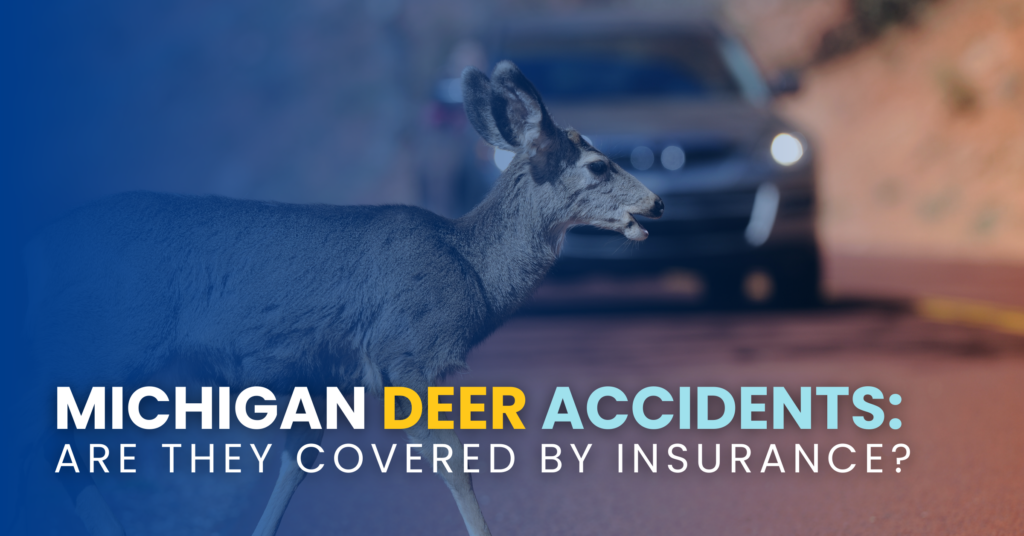
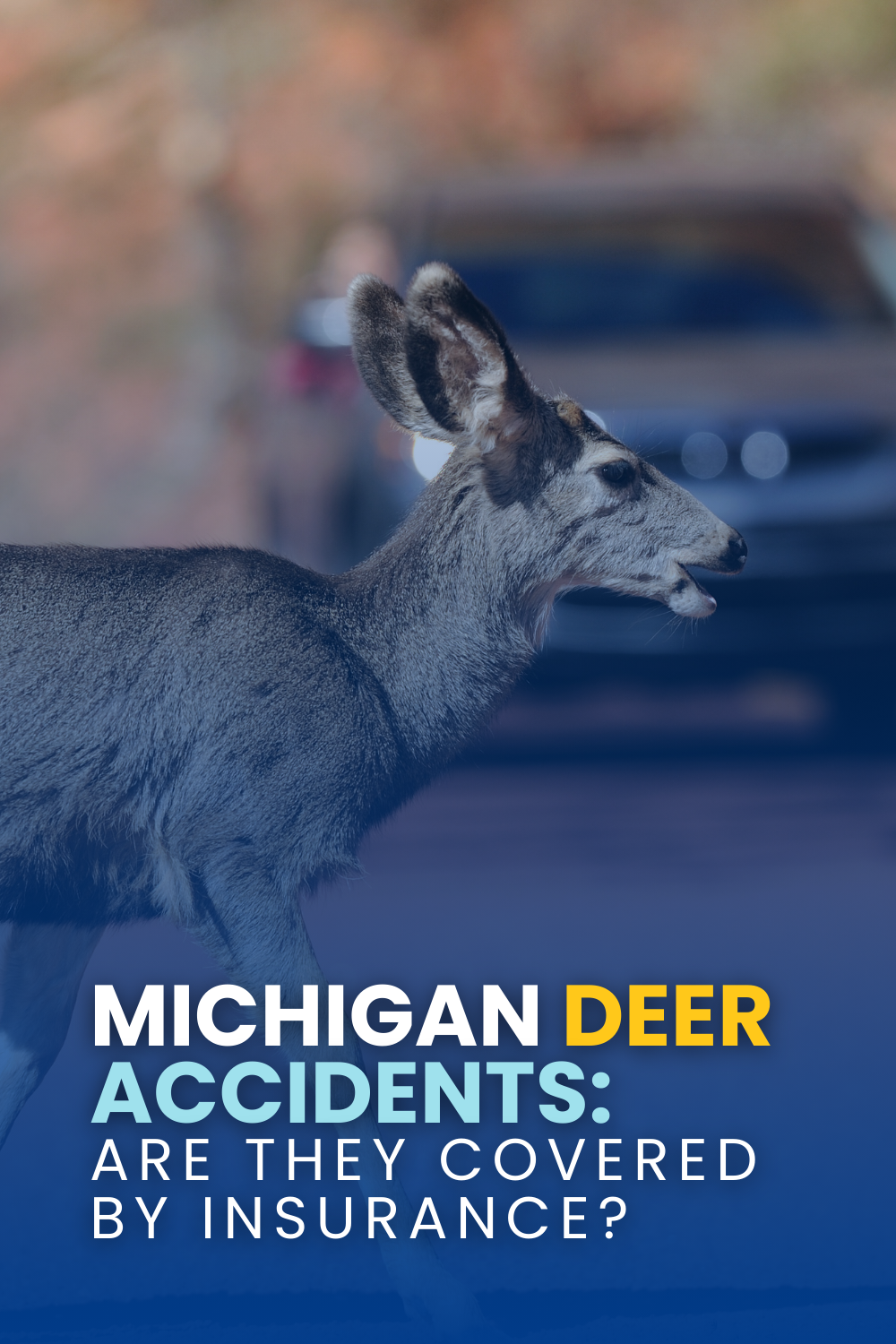
Deer-car accidents are a major safety concern in Michigan, which consistently ranks among the top states in the U.S. for animal-vehicle collisions, with state data showing tens of thousands of these crashes occurring annually. Because these incidents do not involve a negligent at-fault driver, understanding your auto insurance and No-Fault rights is essential.
Key Michigan Deer Car Accident Statistics And Timing
- Volume: According to annual reports from Michigan Traffic Crash Facts and state traffic safety data, Michigan records between 55,000 and 58,000 deer car accidents each year, averaging roughly 160 to over 360 crashes a day during peak seasonal windows. Official statewide records attribute tens of thousands of these incidents to property damage, alongside over a thousand injuries and multiple fatalities annually.
- Peak Season: MTCF seasonal trend report confirms that October and November are the highest-risk months for deer car accidents in Michigan, driven largely by the autumn mating season (the “rut”), which triggers peak movement and migration for these animals.
- Peak Hours: State traffic crash statistic show that collisions spike most frequently during dawn and dusk, specifically between 6:00 a.m. and 9:00 a.m. and 6:00 p.m. and 9:00 p.m., when low lighting conditions coincide with peak foraging habits.
- Top Impact Counties: According to the geographic breakdown in the state traffic crash data, counties consistently logging the highest volume of these wildlife-vehicle collisions include Oakland, Kent, Genesee, Jackson, and Ottawa.
Safety Tips: How To Avoid a Collision
- Expect company: Deer travel in groups; if you see one cross the road safely, assume others are right behind it.
- Stay alert in high-risk zones: Pay close attention to warning signs, wooded areas, and stretches of highway flanked by fields or water sources.
- Avoid swerving: If a car accident is unavoidable, do not swerve sharply to try to miss the Michigan deer. Swerving often causes drivers to veer into oncoming traffic, hit trees, or roll over.
- Brake firmly: Keep your hands steady on the wheel, brake firmly, stay in your lane, and bring your vehicle to a controlled stop.
What To Do After A Deer Car Accident In Michigan: Insurance And Legal Rights
- Pull Over: Move your vehicle to the shoulder of the road, turn on your hazard lights, and make sure you and your passengers are safe.
- Call 911 / Police: Report the Michigan deer car accident, especially if the vehicle is blocking traffic or if anyone is injured.
- Keep Your Distance: Do not approach or attempt to move an injured animal, as a stressed or wounded animal can cause severe injury.
- Contact Insurance for Vehicle Repairs: Comprehensive auto insurance covers vehicle damage from hitting an anibal (minus your policy deductible). If you do not carry comprehensive coverage, repair costs must be paid out-of-pocket. Our attonryes recommend purchasing comprehensive coverage with a maximum deductible of $1,000.
- File for No-Fault Benefits if Injured: Auto No-Fault PIP benefits apply to single vehicle collisions with this type of wildlife to cover medical bills, lost wages, and attendant care (in-home nursing) for serious injuries.
- Strict Filing Deadline: Under MCL 500.3145(1), you must file your written application for No-Fault benefits within one (1) year of the crash or permanently lose your right to recovery.
- Survivor’s Loss And Compensation Limits: Dependents can recover No-Fault survivor’s loss benefits if a loved one is fatally injured in a crash with this type of wildlife. However, injured drivers cannot recover pain and suffering compensation because there is no at-fault human driver to hold liable.
Frequently Asked Questions About Michigan Deer Car Accidents
Will my insurance rates go up after a deer car accident in Michigan?
Generally, no. Hitting wildlife is classified as a “not-at-fault” comprehensive claim because it is treated as an unavoidable wildlife encounter, meaning it typically will not trigger the major rate hikes or driving record points associated with an at-fault collision.
- Comprehensive vs. Collision Claims: Because direct animal strikes fall under optional comprehensive coverage rather than collision coverage, insurers generally do not penalize you with standard crash surcharges.
- The Swerving Exception: Your rates may be impacted if you swerve to avoid animal and strike another vehicle or a stationary object like a tree, which shifts the claim to collision coverage and introduces potential fault determinations.
What happens if I swerve to miss a deer and hit a tree or another vehicle?
If you swerve to avoid a deer and strike a tree, guardrail, or another vehicle without making direct contact with the animal, the nature of your insurance claim completely changes.
- Shift to Collision Coverage: Instead of being processed as a not-at-fault comprehensive claim (which happens when you hit the animal directly), hitting a stationary object or another vehicle is treated as a standard collision claim.
- Potential for At-Fault Status and Surcharges: Insurance companies often view swerving-related crashes as at-fault crashes because the driver lost control of the vehicle, which can lead to points on your driving record and higher insurance premiums. This is why safety experts and police strongly advise braking firmly and staying in your lane rather than swerving.
Do passengers injured in a deer car accident in Michigan have coverage?
Yes. Passengers who are injured in a deer car accident in Michigan are fully protected by auto insurance.
- No-Fault PIP Protection: Injured passengers are entitled to recover Personal Injury Protection (PIP) benefits to cover their medical bills, lost wages, and necessary treatment.
- Order of Priority: Under Michigan’s No-Fault system, an injured passenger typically looks first to their own auto insurance policy or the policy of a relative living in their household. If no household policy exists, coverage can be accessed through the policy of the driver or via the Assigned Claims Plan.
Have You Been Injured In A Crash? Call Our Attorneys Now For A Free Consultation!
If you have been injured in a crash in Michigan call now (800) 968-1001 for a free consultation with an experienced auto crash injury attorney. There is no cost or obligation. You can also visit our contact page or use the chat feature on our website.
Michigan Auto Law is Michigan’s largest and most successful law firm that specializes exclusively in helping people who have been injured in auto crashes.
Our secret? Our attorneys deliberately handle fewer cases than other personal injury law firms. This allows us to focus more time and attention on our cases.
Unlike other law firms, our attorneys are never too busy to promptly return phone calls and answer questions.
We have more than 3,500 5-Star Reviews that reflect this care and attention to detail.
More importantly, this client-focused approach leads to better and faster settlements for our clients. Michigan Auto Law has recovered more million-dollar settlements and trial verdicts for motor vehicle crashes than any other lawyer or law firm in Michigan. We’ve also recovered the highest ever reported truck crash and auto crash settlement in the state.
Written By
Steve M. Gursten,
Attorney,
License#: P53632
Steven Gursten, attorney at Michigan Auto Law and one of the most successful auto accident attorneys in Michigan. Michigan Auto Law represents people seriously injured in car, truck, motorcycle, and bus accidents, including catastrophic injury, traumatic brain injury, and No-Fault insurance cases. Steven has recovered the largest reported auto and truck accident settlement of any Michigan lawyer, and has been named Michigan Lawyer of the Year and a Top 50 Michigan Super Lawyer.
Read Steven Gursten’s full attorney profileLegally Reviewed by Todd Berg, Attorney

This article is for informational purposes only and does not constitute legal advice. See our Community Guidelines.