
Jumper cables can be hazardous to your health, and even cause loss of limbs. Learn how to protect yourself.
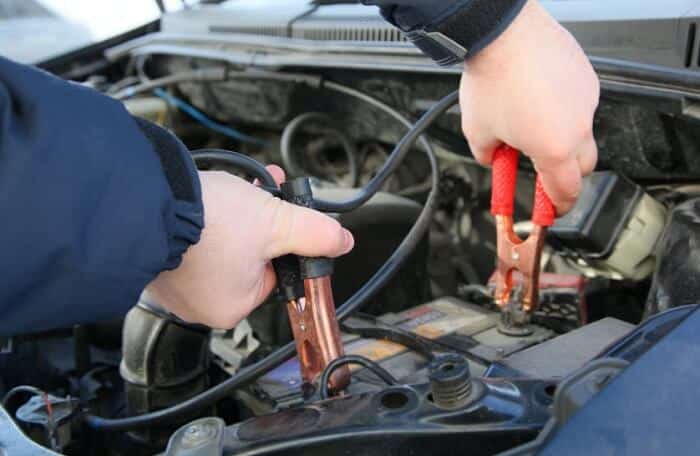
This past week, a man who lost his leg while using jumper cables called our injury attorneys for help. That call led me to write this safety tip blog.
Many people have lost legs when they have been in between their vehicles using jumper cables, when one of the cars lurches forward or another car strikes one of the vehicles positioned for the jump
Safety Tip: The vehicle with the good battery should NOT be running when you are jumping and starting another car.
You are merely starting the dead car using another person’s battery. It is much more dangerous to have the car with the good battery running while performing this operation.
Tips for proper jumping
- Make sure the car that is being used with the good battery is TURNED OFF.
- If jumping in a dangerous place, move each car to a safer location.
- If possible, the cars should be parked side by side, not nose to nose.
- Someone should be watching for any cars traveling too fast within a reasonable range of operation.
- Connect the cables in parallel (positive to positive & negative to negative).
- Start the car with the dead battery.
- Take the cables clamps off of each battery one at a time, making sure the clamps don’t touch.
Related info: